
Understanding the House Edge in Gambling
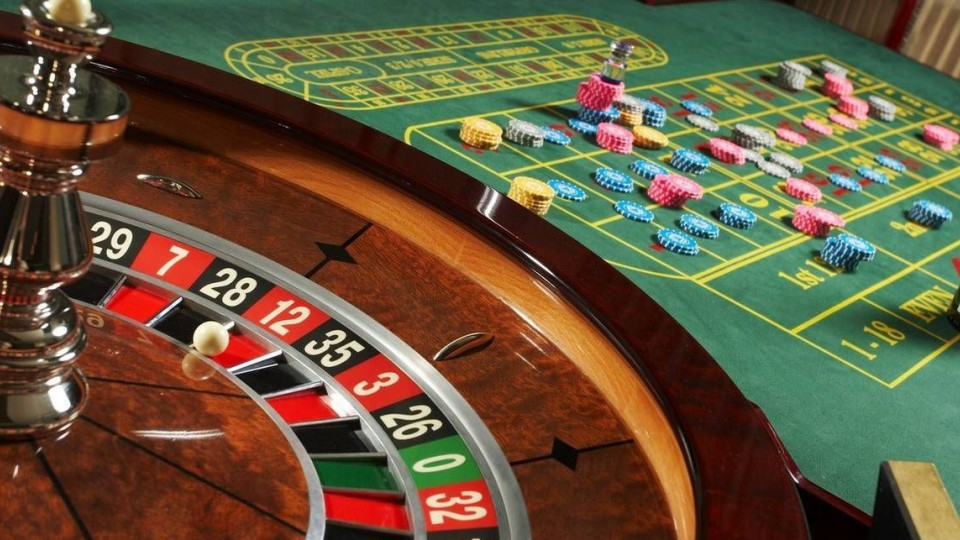
The concept of the “house edge” is fundamental to understanding fairness in any gambling environment. It represents the statistical advantage that the casino holds over the player in the long run. This edge is not a conspiracy but a built-in mathematical certainty designed into the rules of each game. For example, in roulette, the presence of the ‘0’ (and ’00’ in American roulette) gives the house an advantage, ensuring that for every euro bet, the casino expects to retain a small percentage over time. Understanding this percentage for different games is the first step towards seeking value, and many players explore options like this is vegas casino to see how they present their offerings.

Different casino games offer varying house edges. Games like blackjack, when played with optimal strategy, can offer a very low house edge, sometimes even below 1%. Conversely, games like keno or some slot machines can have significantly higher edges. Recognizing that lower house edge games offer better long-term value for players is crucial. It’s about making informed choices based on the mathematical probabilities rather than just chance. Many online platforms, including those with a Vegas theme, clearly display information or allow players to research the theoretical return to player (RTP), which is the inverse of the house edge, offering a clearer picture of fairness.
The Role of Random Number Generators (RNGs)
In modern online gambling, fairness is primarily ensured by Random Number Generators (RNGs). These are sophisticated algorithms that produce a sequence of numbers or symbols, such as those used in slot machines, card games, or roulette spins, with no discernible pattern. The output of an RNG is completely unpredictable, meaning that each game outcome is independent of previous ones. Reputable online casinos use certified RNGs that are regularly audited by independent third-party testing agencies to guarantee their integrity and randomness.
The continuous operation and thorough testing of RNGs are paramount to establishing trust and ensuring fair play. These systems are designed to simulate the randomness of physical casino equipment, like spinning roulette wheels or shuffling decks of cards. When players understand that RNGs are the backbone of fairness in digital gambling, they can feel more confident about the legitimacy of the games. This technological underpinning is what allows online casinos to offer a consistent and fair experience, mirroring the unpredictability expected from traditional gambling establishments.
Strategies for Maximising Value and Fair Play
While the house edge is always present, players can employ strategies to maximise their potential value and extend their playing time. This often involves understanding game rules thoroughly and adopting optimal playing strategies. For instance, in blackjack, knowing when to hit, stand, double down, or split can significantly reduce the house edge. Similarly, in poker, skill and strategy play a much larger role than pure chance, allowing for a more engaging and potentially rewarding experience.
Furthermore, responsible gambling practices are intrinsically linked to seeking value. This means setting budgets, understanding when to walk away, and avoiding chasing losses. By playing within one’s means and focusing on games that offer better odds or require skill, players can enhance their enjoyment and the perceived fairness of their gambling sessions. Looking for promotions, such as welcome bonuses or loyalty programs, can also provide additional value, effectively increasing the player’s bankroll and offering more opportunities to play without diminishing the inherent fairness of the games themselves.
Understanding Payout Percentages and RTP
Payout percentages, often expressed as Return to Player (RTP), are a direct indicator of how much of the wagered money a game is expected to pay back to players over an extended period. An RTP of 96%, for example, means that, on average, for every €100 wagered on that game, €96 is returned to players. The remaining 4% is the house edge. Understanding RTP is vital for players looking for the fairest games with the best potential returns.
Reputable online casinos are transparent about the RTP of their games. Players can often find this information within the game’s information menu or on the casino’s website. Choosing games with higher RTPs is a mathematically sound approach to maximising potential value and experiencing a fairer game. This metric provides a clear, quantifiable measure of fairness, empowering players to make informed decisions about where they place their bets, moving beyond simple luck to a more strategic approach to online gambling.
Fairness and Value at ThisIsVegas-Casino.uk
Online casinos aiming to attract players with a “Vegas” theme often strive to emulate the excitement and perceived fairness of the iconic Las Vegas strip. Platforms like ThisIsVegas-Casino.uk typically aim to provide a broad spectrum of games, from classic slots to sophisticated table games, all powered by certified RNGs to ensure random and fair outcomes. Visitors to such sites can generally expect a commitment to transparency regarding game rules and payout structures, allowing players to make informed choices about their gaming experience.
The pursuit of maximum value at online casinos like ThisIsVegas-Casino.uk often involves leveraging welcome bonuses and ongoing promotions. These offers can significantly boost a player’s bankroll, providing more opportunities to play and potentially win. By carefully reviewing the terms and conditions associated with these bonuses, players can ensure they are getting genuine value. Furthermore, the availability of diverse game categories, each with varying RTPs, allows players to select games that align with their preference for either lower house edges or higher volatility, catering to different approaches to maximising their gambling sessions.